Launch Photogrammetry
Photogrammetry on Mars ↗PREFIRE & Ice · Electron Flight 49 · A moving reconstruction from 425 onboard frames.
From onboard footage to a spatial reconstruction
On June 5, 2024, Rocket Lab launched NASA’s PREFIRE-2 satellite aboard Electron. I used onboard footage from that flight, “PREFIRE & Ice,” to reconstruct those viewpoints and study the scene they describe.
Starting with individual frames, I followed matching details into a saved camera solve, a surface, and a new moving view. The source images stay beside the reconstruction so the relationship remains visible.
Collect
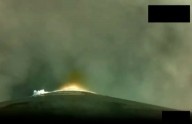
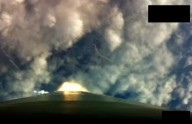
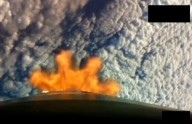
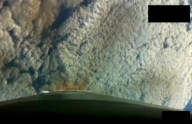
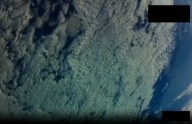
I began with an onboard recording and extracted a sequence of overlapping images. Clouds, exhaust and the curved edge of the vehicle give the frames their visual context.
The sequence below shows the beginning, middle and end of the saved input. These are the source frames used by the study.
Align
Repeated details connect one frame to the next. The saved solve contains 425 camera poses: a position and viewing direction for each image.
I keep the camera and a simplified rocket body together as one rig. Moving both from the same pose makes roll and changes in the view easier to read.
Match
Find shared image features across overlapping frames.
Recover
Solve camera positions and orientations from those connections.
Reconstruct
Build a surface and retain the source colors saved with it.
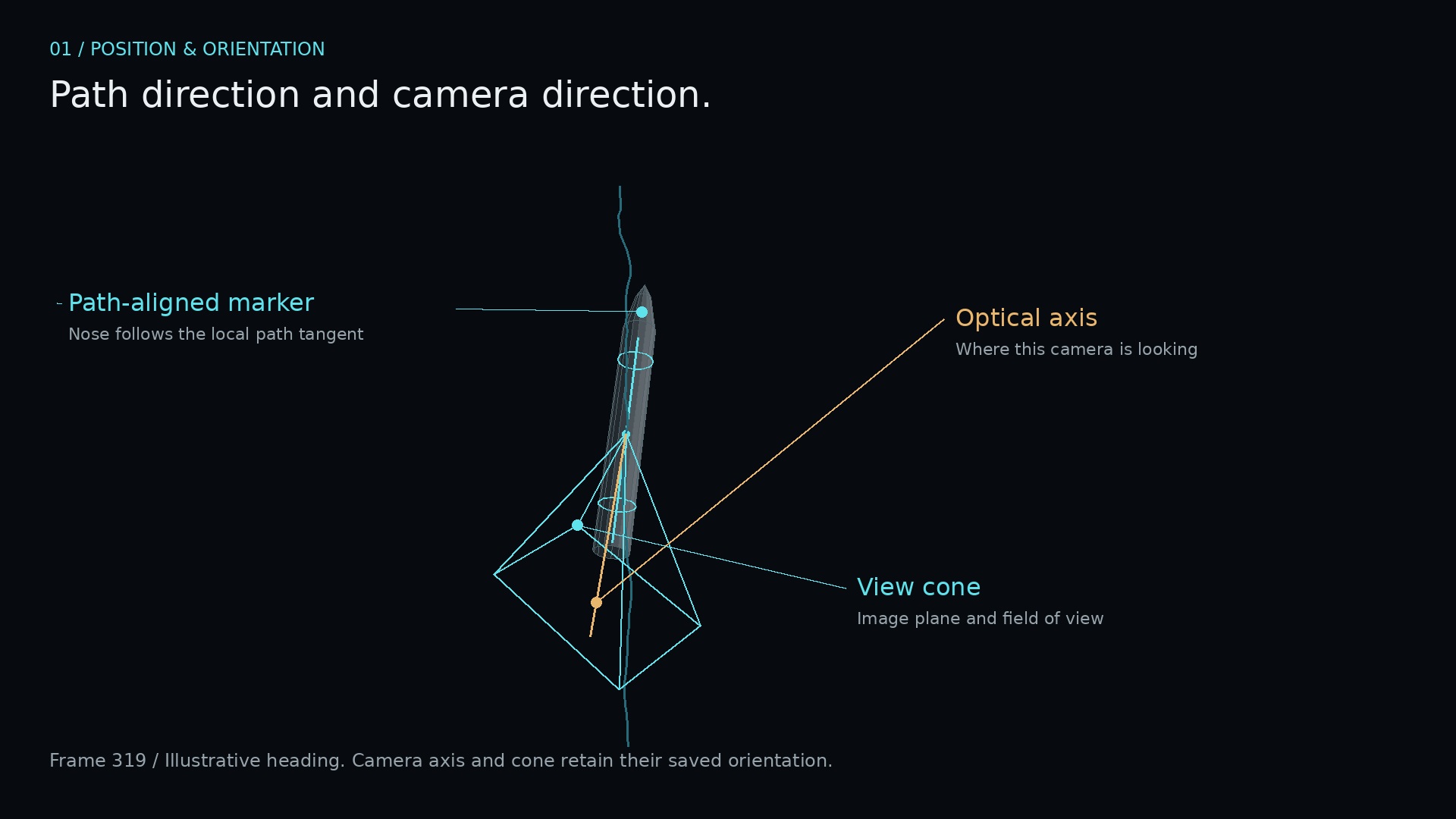
Camera + rocket
The camera is fixed to the body. One pose moves both. The body and its markings rotate with the recovered camera pose. Follow keeps the viewing direction stable while tracking the rig; Onboard stays attached to its camera.
Image links
Turn on Rays to see saved feature matches between the current source frame and the reconstructed scene.
Surface
The saved cloud-and-exhaust reconstruction retains its archived vertex colors. Toggle Color for a neutral structure view, or Points to inspect the solve.
Stage separation
At frame 383 the first stage starts falling away. By frame 396 its detached silhouette is visible below the upper stack. Second-stage ignition begins around frame 393.
The source footage verifies the event. The small detached stage in the 3D viewer illustrates separation; its distance is not a recovered trajectory.
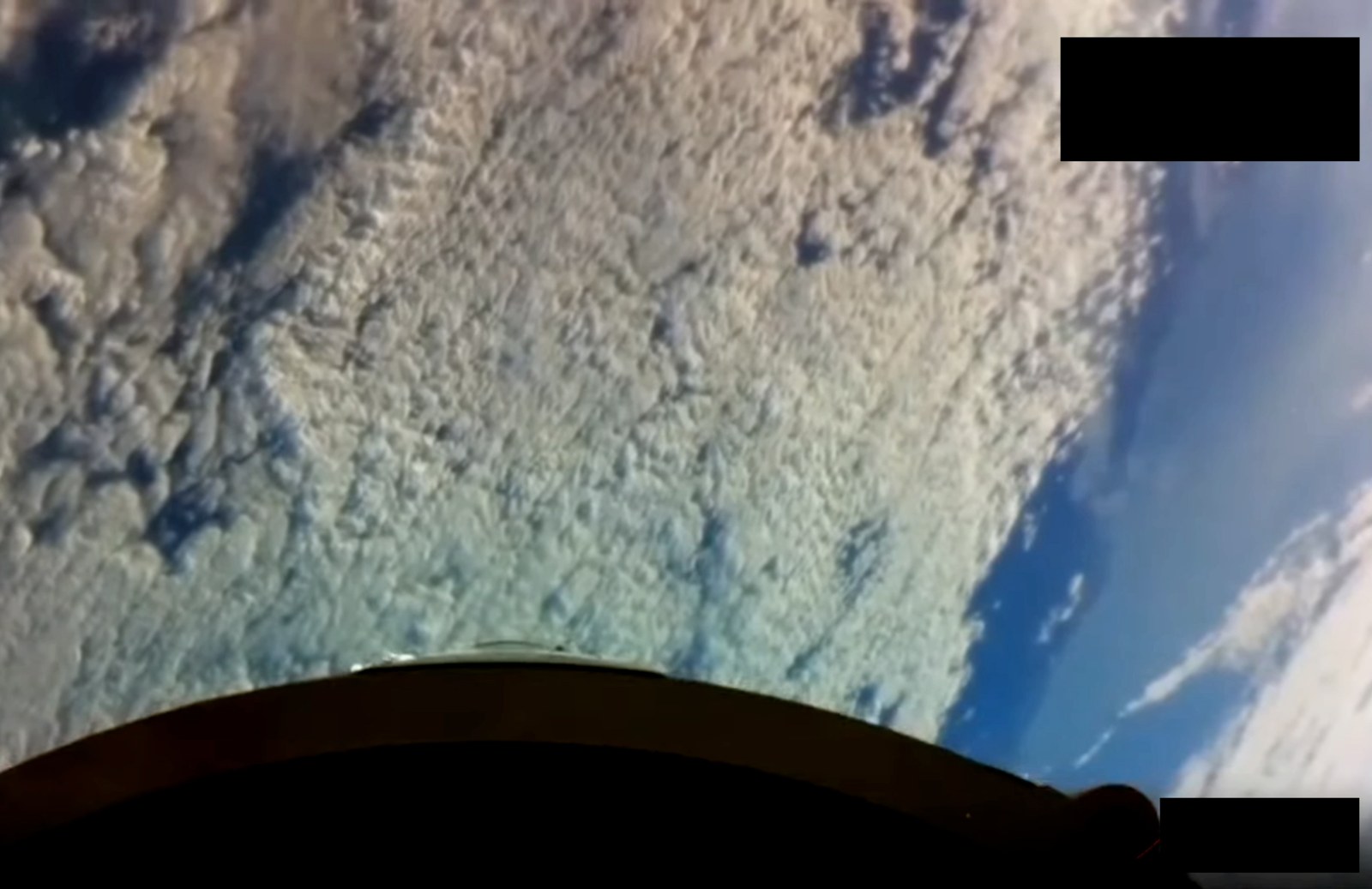
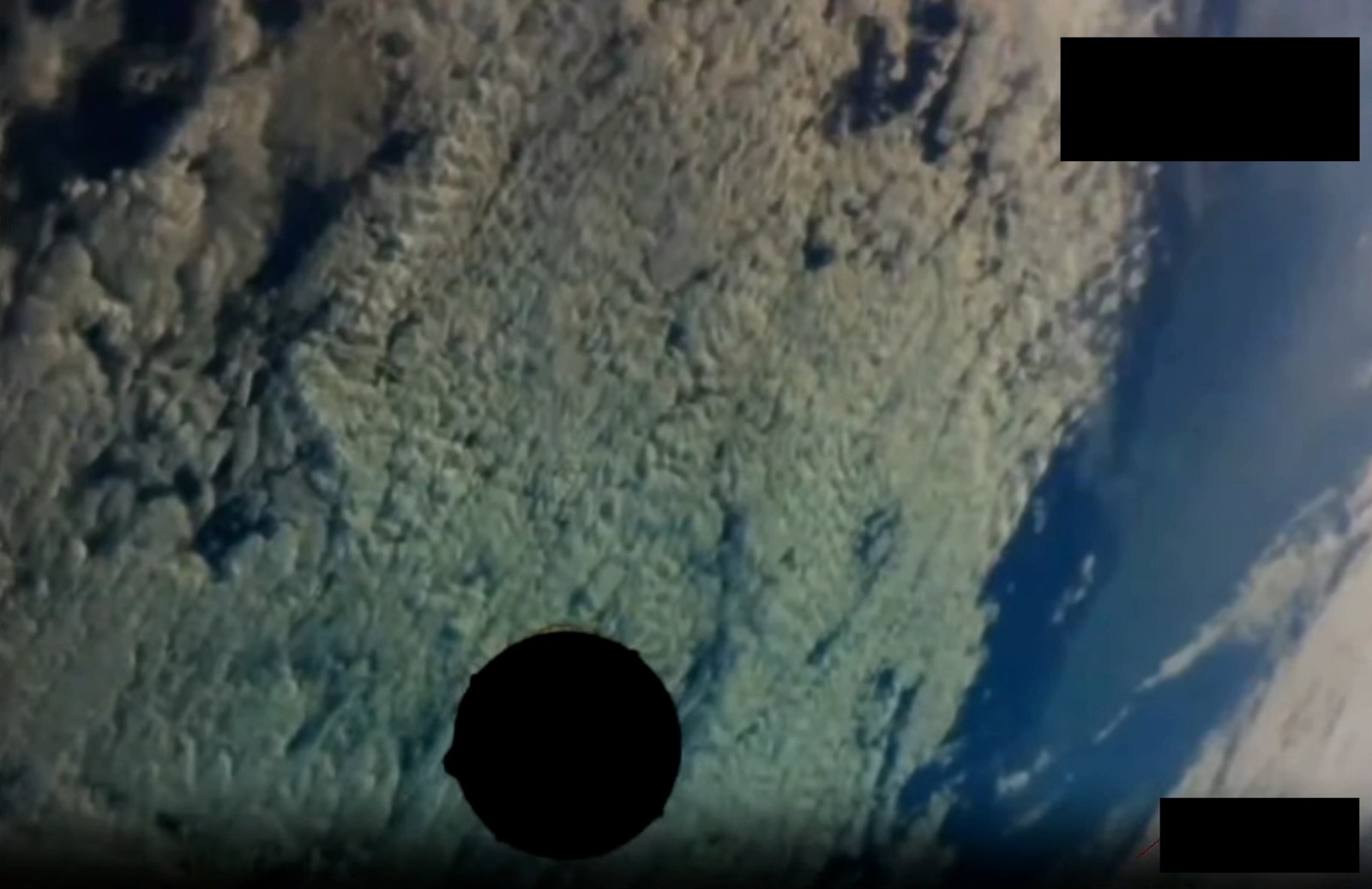
The archived recording is a section of the official webcast. An uninterrupted public onboard feed has not been located.
Make
The reconstruction becomes a new camera move: a way to see the original recording from outside its fixed viewpoint.
Electron / launch reference
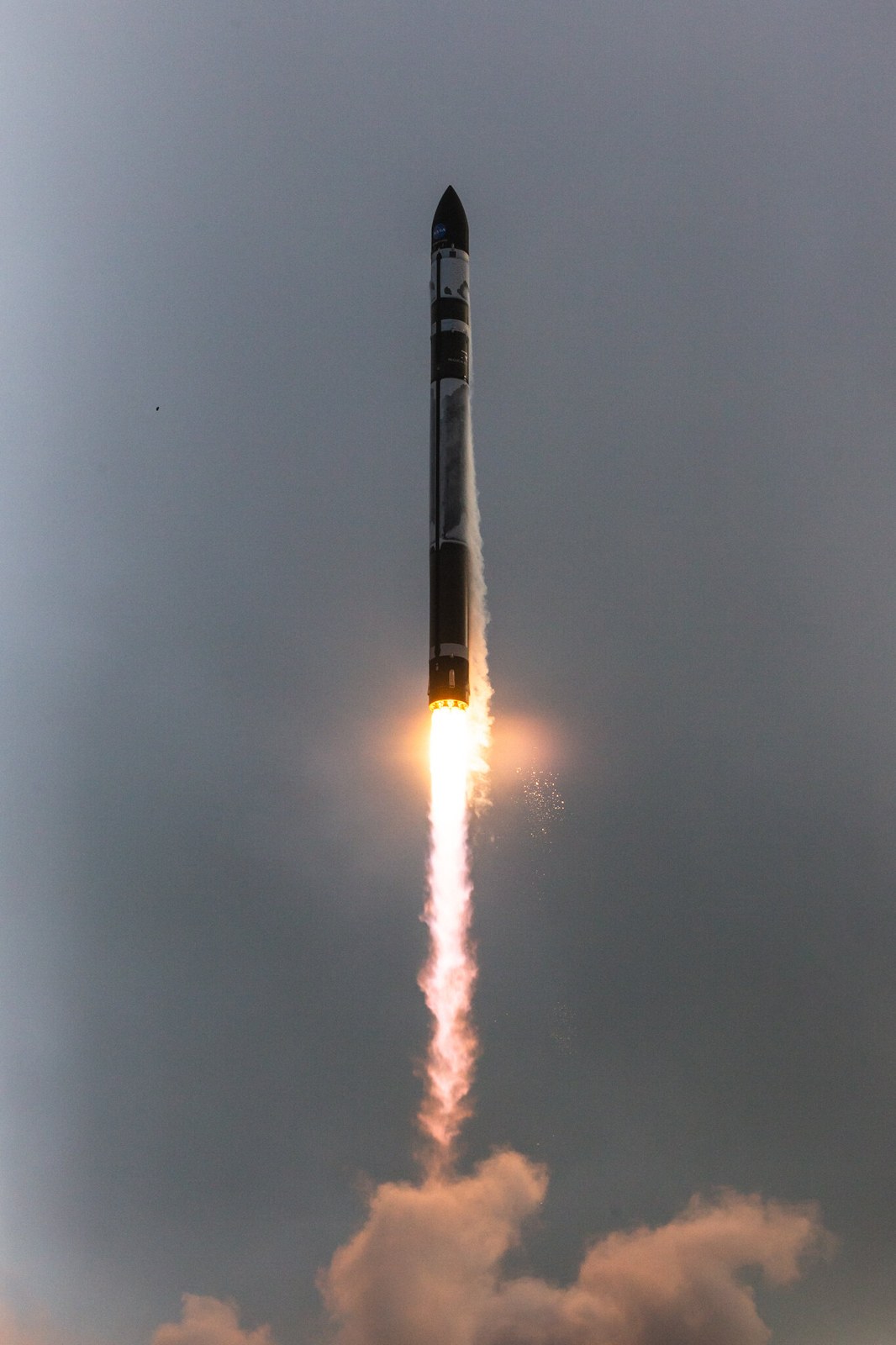
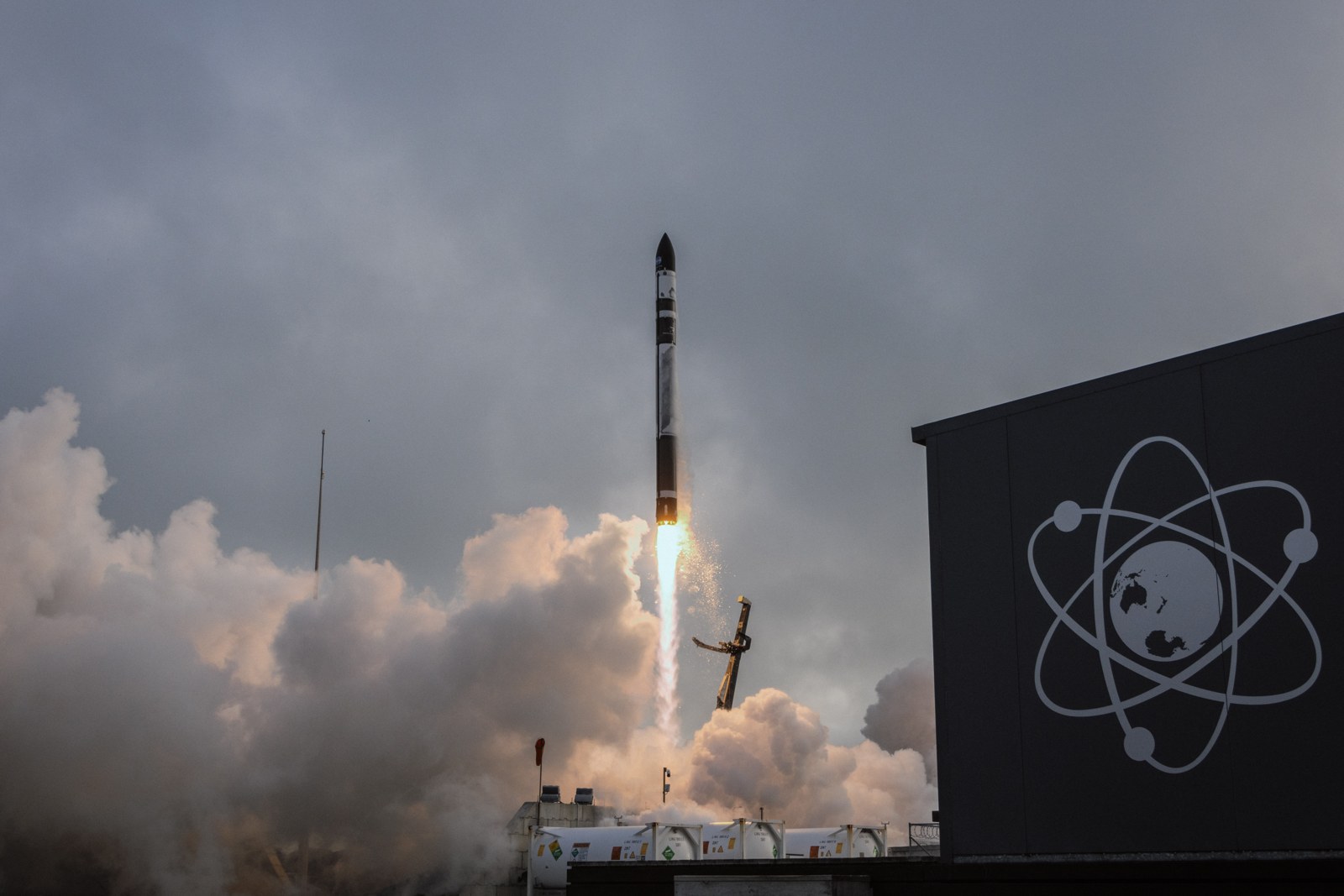
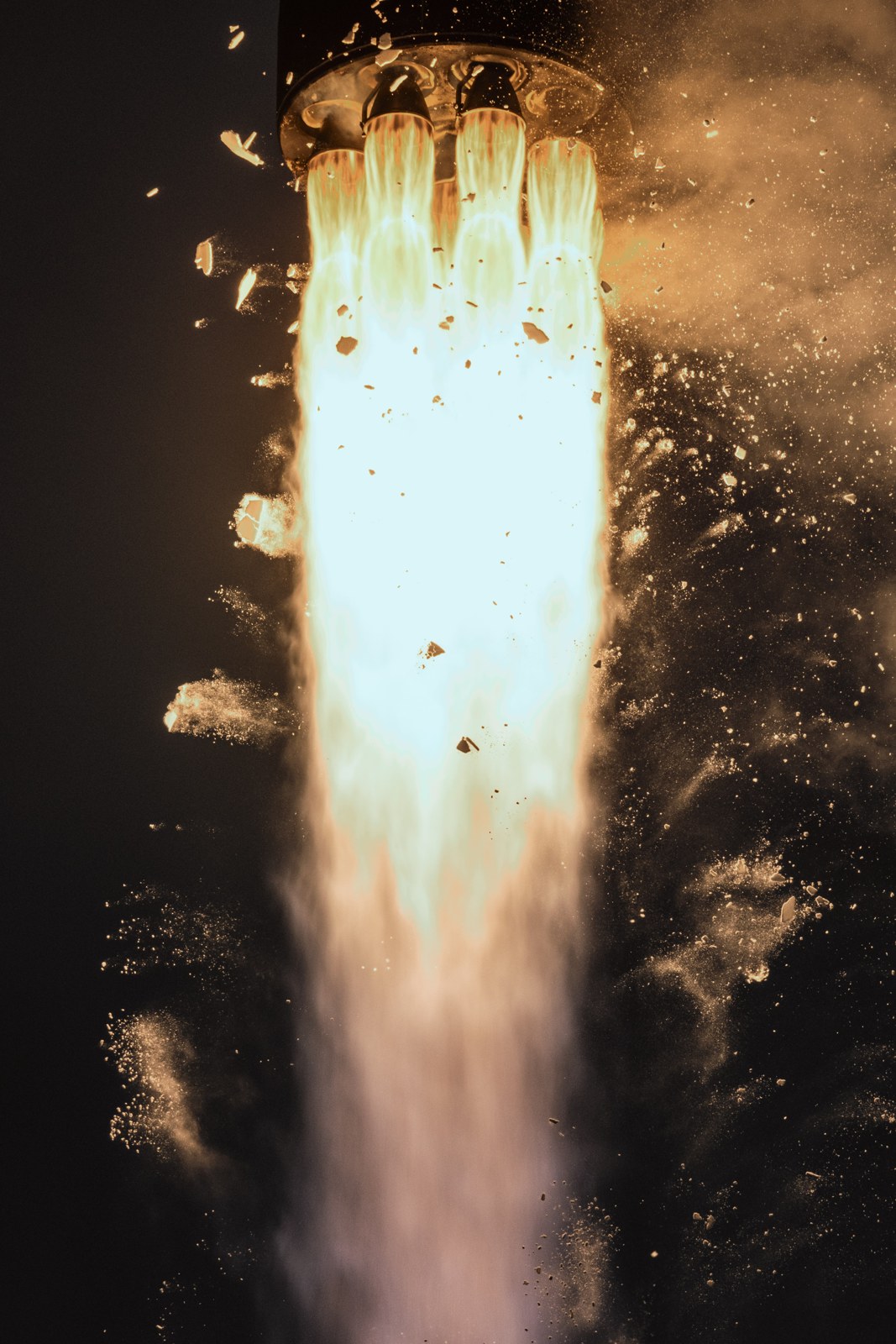
PREFIRE & Ice · Electron Flight 49 · June 5, 2024. Official photographs from the flight used in this reconstruction.
Data & method
425 recovered camera poses. The rocket is a simplified body with a single fixed mounting offset estimated from the sequence. Its size and mount are illustrative. Position and orientation come from the saved camera solve; they are not calibrated flight telemetry.
Raw uses the saved poses. Smooth applies a three-frame filter to the shared rig. Both modes interpolate position and full rotation together between frames. The source preview always shows the nearest saved frame.
The surface uses 44,928 saved display faces. Lighting is smoothed without changing geometry. Scene scale and playback speed are uncalibrated. Feature rays use stored point associations.